

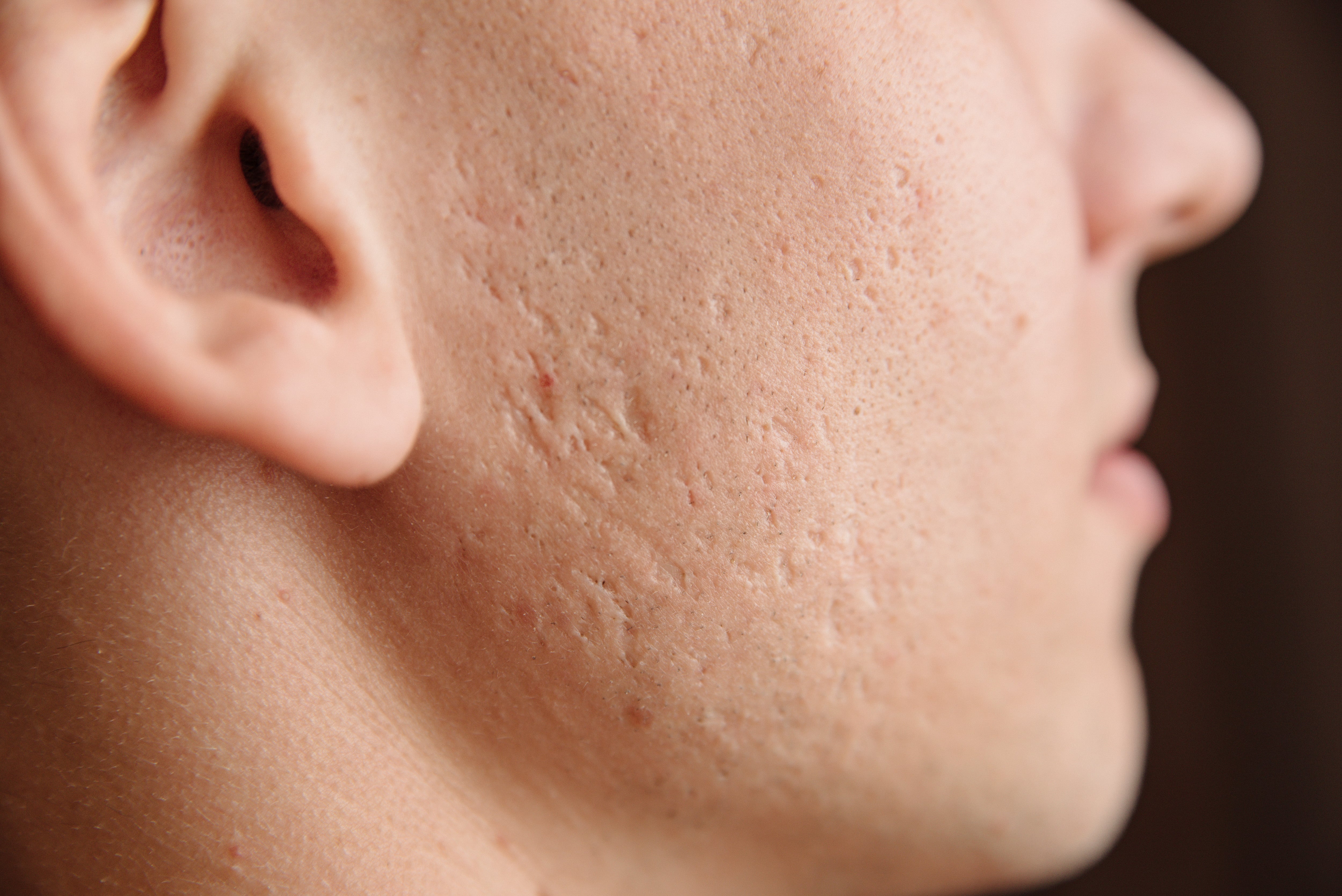
Acne scars can affect confidence and skin appearance long after active acne has resolved. Treating acne scars often requires a carefully tailored approach. Not all acne scars respond the same way to Laser Scar Treatments, and the number of laser sessions needed varies depending on several factors including scar type, skin type, and overall skin health. Understanding what to expect from laser resurfacing can help set realistic expectations and maximize results.
Acne scars are formed when damaged skin heals after inflammation caused by active acne. Scar tissue replaces healthy skin cells, which can lead to changes in skin texture and tone. Scar depth, shape, and distribution influence how effective laser acne scar treatment will be.
Common scar types include:
Very wrinkled skin or skin with extensive sun damage may require additional consideration. Deep scars often require multiple treatments, while milder scars may show noticeable improvement after fewer laser sessions.
The number of treatments required is influenced by several factors. Not all acne scars respond the same way, so individualized treatment plans are essential.
Scar severity and depth: Deep scars or those that cover larger areas may need more sessions. Shallow scars or residual scarring often respond faster.
Skin type and tone: Darker skin tones may be more prone to pigmentation changes. Experienced dermatologists adjust laser settings to reduce the risk of dark spots or prolonged redness.
Type of laser used: Different lasers provide different results. Fractional lasers, non ablative lasers, ablative lasers, and carbon dioxide (CO2) laser skin resurfacing each stimulate collagen production and improve skin texture differently. Combining lasers or using combination treatments can enhance results for severe scars.
Overall skin health: Healthy skin cells regenerate more efficiently, so skin that heals well can recover faster from each session. Sun exposure, medical conditions, and previous treatments influence how the skin responds.
Treatment plan and patient goals: Desired results, realistic expectations, and tolerance for downtime play a role in determining how many sessions are necessary. Some patients prefer gradual improvement, while others aim for significant improvement in fewer sessions.
Laser resurfacing is the most effective method for improving the appearance of acne scars. Choosing the right type of laser technology is critical for success.
Non ablative laser acne scar treatment targets deeper layers of the skin without removing the outer layer. It promotes collagen stimulation and improves skin texture gradually. Patients typically require several treatments spaced weeks apart to achieve noticeable improvement. This type of laser is ideal for patients who wish to minimize downtime and discomfort. Topical numbing cream can further reduce discomfort during the procedure.
Fractional lasers treat the skin in a pattern of microscopic columns, leaving untreated skin between treated areas. This allows faster healing while stimulating collagen production. Fractional laser treatments can be combined with other modalities for deep scars, ice pick scars, or rolling scars. This approach allows scar revision without excessively damaging healthy skin cells.
Ablative lasers, including carbon dioxide (CO2) laser, remove the top layer of skin in the treated area, promoting more dramatic improvement in scar depth and skin texture. Ablative laser treatments generally require longer recovery periods and careful adherence to post care instructions. Patients often need multiple treatments for deep scars or extensive scar tissue. Cutting edge laser technology ensures precise control over depth and intensity, helping improve skin tone and reduce dark spots.
An initial consultation with a board certified dermatologist is essential before starting laser acne scar treatment. The person performing the procedure evaluates scar types, scar depth, skin type, and overall skin health. The dermatologist will also review medical history, any history of cold sores, and current medications to avoid complications.
A treatment plan outlines how many laser sessions will be necessary. Factors considered include:
Some patients may benefit from combination treatments that include non ablative and fractional lasers or adjunct treatments such as subcision or fillers. Topical numbing cream is typically applied to minimize discomfort.
Sessions are usually spaced four to eight weeks apart to allow the treated skin to heal, collagen production to occur, and healthy skin cells to regenerate. Post care instructions such as sun protection, avoiding tanning, and gentle skin care are critical for optimal outcomes.
After laser resurfacing, patients may experience temporary redness, swelling, or peeling. Recovery time varies depending on the type of laser used. Non ablative lasers usually cause minimal downtime, while ablative or CO2 laser resurfacing may require a week or more of visible recovery.
Laser treatments not only improve scar appearance but also enhance skin texture, tone, and overall quality. Collagen stimulation continues for months after the last session, providing gradual and lasting improvement. For patients with darker skin tones or those prone to hyperpigmentation, careful monitoring is essential to avoid dark spots.
It is important to maintain sun protection and follow post care instructions. Avoiding sun exposure reduces the risk of pigmentation changes and helps the skin heal properly.
Patients often ask whether acne scars can be removed completely. Laser acne scar treatment improves the appearance of scars significantly, but complete removal is rarely achievable. The goal of treatment is to reduce scar depth, soften defined edges, and improve skin texture and tone to achieve natural looking results.
Experienced dermatologists focus on creating a realistic plan tailored to each patient. The first treatment may provide subtle improvement, but multiple treatments are often necessary to reach the desired results. Combination treatments, proper post care, and careful attention to skin health increase the likelihood of significant improvement.
By working with Skintastic Aesthetics, patients can receive guidance on the right treatment plan and access cutting edge technology for safe and effective results.
To maximize results, patients should:
Laser skin resurfacing is a cosmetic procedure that can transform the appearance of damaged skin. Cutting edge technology allows dermatologists to target scars precisely while minimizing damage to healthy skin cells. Collagen stimulation improves skin texture and promotes natural healing, reducing the appearance of deep scars over time.
How many laser treatments for acne scars depends on scar type, severity, skin type, and patient goals. Mild scars may need only a few sessions while deep scars often require multiple treatments. Laser resurfacing, CO2 laser, fractional lasers, and non ablative lasers all provide effective scar revision options.
Proper treatment planning with a board certified dermatologist, adherence to post care instructions, sun protection, and realistic expectations are essential to achieve noticeable improvement. By following a personalized plan, patients can significantly improve the appearance of acne scars, enhance skin texture and tone, and restore confidence in their skin.
Stay updated with the latest blog posts and engage with our community.
Your questions deserve personalized answers. Message us today to connect with our knowledgeable team and get expert advice tailored to your specific needs. We're just a message away!

