

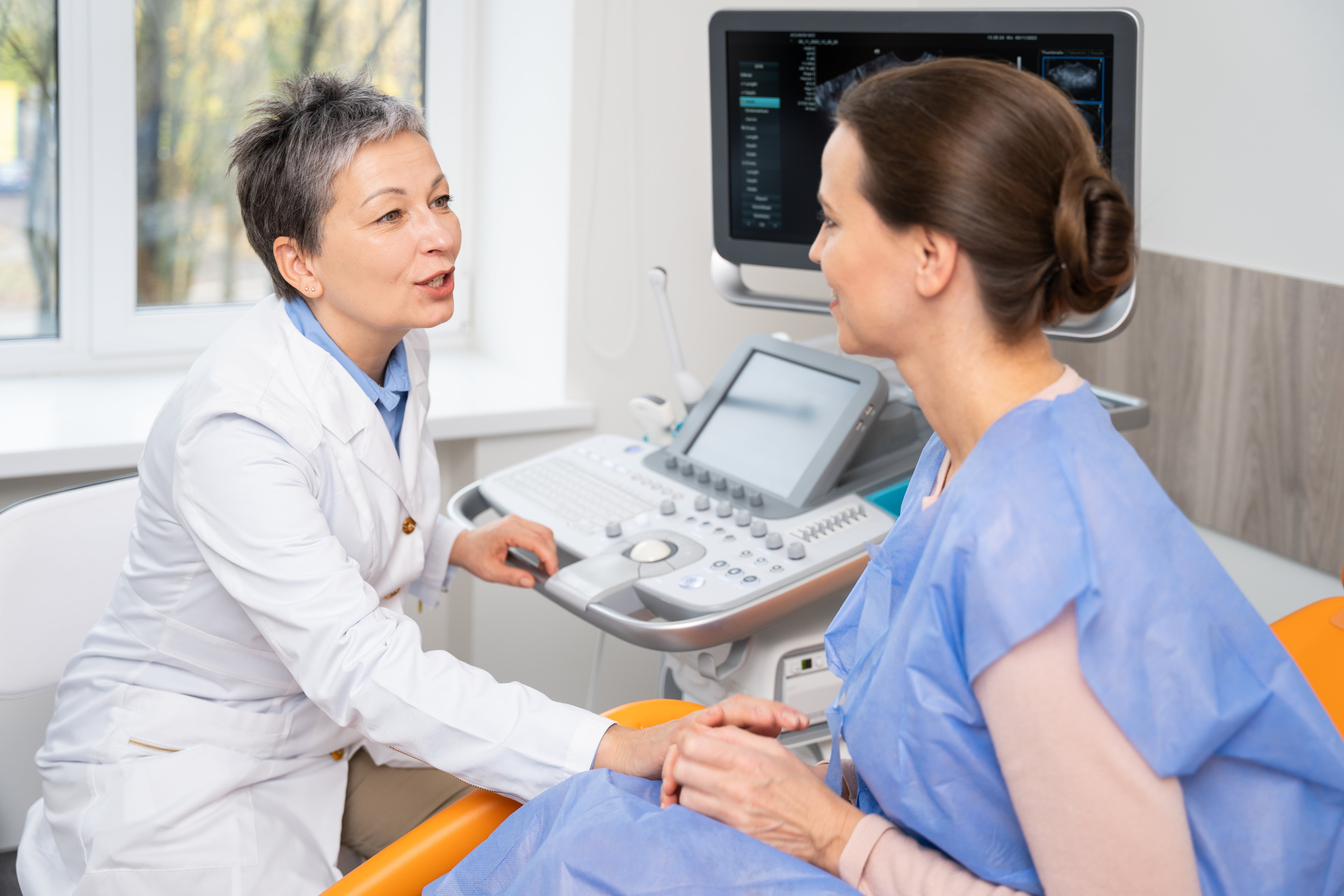
Hormone replacement therapy, often referred to as HRT or hormone therapy services, is a medical approach designed to restore female hormones that decline during perimenopause, menopause, or after ovaries are surgically removed. The treatment aims to relieve bothersome symptoms and protect long-term health, particularly bone health, cardiovascular health, and mental health. Many women considering treatment options are interested in understanding how hormone replacement therapy works and whether they need hormone replacement therapy to improve daily life.
Hormone replacement therapy HRT can be administered in several ways. Systemic hormone therapy delivers estrogen and sometimes progesterone throughout the body using pills, skin patch, gels, or bioidentical hormones. Vaginal estrogen, including vaginal cream, can target vaginal tissues to relieve local symptoms such as vaginal dryness, vaginal itching, painful intercourse, and urinary symptoms without affecting the entire body. Choosing the right therapy depends on personal medical history, the severity of menopause symptoms, and risk factors such as liver disease, high blood pressure, heart disease, or a history of blood clots.
Most women experience a natural decline in estrogen levels during menopause, usually around the average age of 51, though early menopause can occur before age 45. Common symptoms include hot flashes, night sweats, irregular vaginal bleeding, mood swings, brain fog, weight gain, and sleep disturbances. Experiencing symptoms that interfere with daily life may indicate the need hormone replacement therapy. Women who undergo early menopause or have their ovaries surgically removed often consider starting HRT to protect long-term health, maintain bone density, and relieve menopause symptoms.
Before starting HRT, it is important to evaluate personal medical history and health risks. Conditions such as breast cancer, uterine cancer, heart attack, cardiovascular disease, liver disease, high blood pressure, or previous blood clots can influence whether hormone replacement therapy is safe. Women with a history of these conditions may need alternative treatment options or closely monitored hormone support to balance the benefits against potential risks.
Hormone levels naturally decline with age, but certain signs suggest that treatment may be beneficial. Recognizing these symptoms can help women decide when to consult a healthcare provider about hormone therapy.
Hot flashes and night sweats are among the most common menopause symptoms. They can disrupt sleep hygiene, cause discomfort, and affect daily life. Systemic estrogen therapy often reduces the frequency and severity of hot flashes and night sweats, helping women regain restful sleep and improve energy levels.
Declining estrogen levels can thin vaginal tissues, leading to vaginal dryness, vaginal itching, painful intercourse, and urinary tract infections. Vaginal estrogen, including creams and localized therapy, provides targeted relief for these bothersome symptoms without the risks associated with systemic therapy. Hormone replacement therapy HRT is particularly effective for women experiencing both systemic menopause symptoms and local vaginal changes.
Many women report mood swings, irritability, anxiety, or depression during menopause. Cognitive changes such as brain fog, forgetfulness, or difficulty concentrating can also arise. Menopausal hormone therapy may help stabilize estrogen levels, improving mood changes, mental health, and overall sense of well-being.
Lower estrogen levels contribute to bone loss and reduced bone mass, increasing the risk of fractures and osteoporosis. Hormone replacement therapy helps preserve bone density and protect long-term health. Combined with lifestyle strategies like weight-bearing exercise and proper nutrition, HRT can significantly reduce the risk of bone-related complications.
Hormone fluctuations can alter metabolism causing weight gain, loss of muscle mass, and increased fat around the abdomen. For many women, these changes are frustrating and affect self-esteem. Hormone replacement therapy may help improve energy levels and support a healthier body composition when paired with a balanced diet and regular physical activity.
Disrupted sleep is a common symptom caused by night sweats, hot flashes, and low estrogen. Poor sleep hygiene can exacerbate fatigue, mood swings, and cognitive issues. Systemic hormone therapy or targeted estrogen therapy can improve sleep quality and overall daily functioning.
Additional signs that may indicate a need for hormone replacement therapy include breast tenderness, irregular menstrual cycles, urinary symptoms, skin changes, and vaginal tissues that are less elastic or prone to irritation. For women experiencing multiple symptoms, hormone therapy offers an effective treatment option to restore hormonal balance.
A personalized approach is critical. Women should discuss their symptoms, medical history, and risk factors with a healthcare provider. Assessment may include evaluating bone health, cardiovascular risk, personal or family history of breast or uterine cancer, liver disease, blood clots, and high blood pressure. Using this information, a physician can create a treatment plan that balances benefits and potential health risks. Many women find that the benefits outweigh the risks when therapy is carefully monitored.
Systemic therapy is often used for hot flashes, night sweats, and mood changes, while localized vaginal estrogen addresses urinary symptoms, vaginal dryness, and painful intercourse. Bioidentical hormones or skin patches may be recommended depending on patient preference and treatment goals.
Hormone replacement therapy safe use depends on regular monitoring and personalized treatment plans. Women should have periodic evaluations to check hormone levels, bone density, and cardiovascular health. Early menopause or surgical removal of ovaries often necessitates continued HRT to maintain bone mass and reduce cardiovascular risk.
Menopausal hormone therapy should be combined with lifestyle strategies such as adequate sleep, exercise, stress management, and proper nutrition to maximize benefits. Taking HRT under medical supervision ensures symptoms are effectively managed while minimizing potential health risks. Many women find additional guidance and support through Skintastic Wellness to tailor treatment options and optimize outcomes.
Hormone replacement therapy offers women a powerful option to relieve bothersome symptoms and protect long-term health during menopause or after early hormone decline. Recognizing the signs that indicate a need for hormone replacement therapy, such as hot flashes, night sweats, vaginal dryness, mood changes, bone loss, and sleep disturbances, is essential. Personalized assessment of health history, risk factors, and treatment goals allows for safe and effective therapy.
Women experiencing symptoms that interfere with daily life should consult a healthcare provider to develop a treatment plan that supports physical well-being, mental health, and overall quality of life. With proper monitoring and a comprehensive approach, hormone replacement therapy can restore balance, protect bone density, improve cardiovascular health, and enhance daily life for many women.
Stay updated with the latest blog posts and engage with our community.
Your questions deserve personalized answers. Message us today to connect with our knowledgeable team and get expert advice tailored to your specific needs. We're just a message away!

